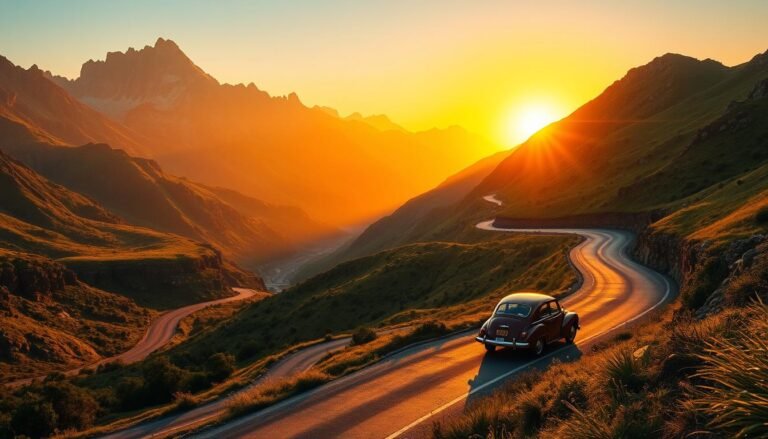

This guide is for people in the UK and other English-speaking places. It shows the best road trips in Europe. You can drive along Portugal’s coast or through Norway’s high passes.
Driving around Europe is rewarding. It lets you see cities and nature. You can stop whenever you want.
We have many trip ideas. You can choose scenic drives, iconic trips, or family-friendly routes. There are also secret spots for slower travel.
Planning is easy with our guide. We give you itineraries, tips on when to go, and what car to choose. We also talk about insurance, where to park, and how to budget.
Our advice comes from trusted sources. We use Visit Norway, Visit Portugal, and EUROVIA. We also look at Lonely Planet and Rough Guides. This ensures you get the best tips for your trip.
Key Takeaways
- Road trips offer unmatched flexibility to explore remote spots and culinary stops.
- This guide covers the best road trips Europe, from coasts to alpine passes.
- Practical planning sections include itineraries, vehicle choice, and insurance.
- Sources include national tourism boards and trusted travel publishers.
- Options suit families, solo travelers, and self-drive adventures Europe.
Best road trips Europe
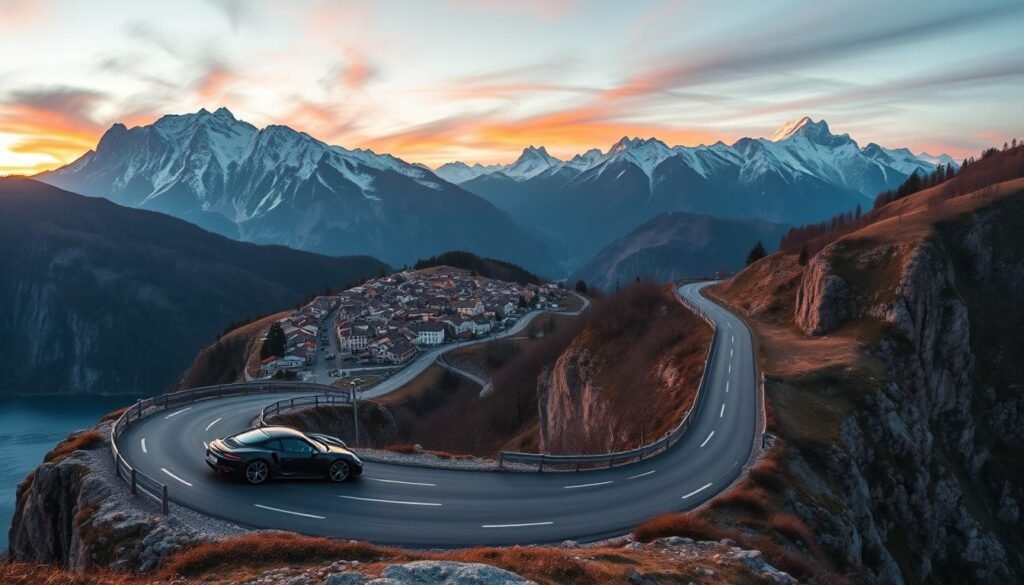
Europe has many amazing drives for everyone. You can see stunning sea cliffs and high mountains. These routes are the best in Europe. They offer beautiful views, cultural spots, and easy access to places to eat and sleep.
Why these routes top the lists
These routes are chosen for five things: beautiful views, culture, easy driving, great photo spots, and unique experiences. Routes with ferries, steep passes, or coastal cliffs are especially loved.
Some favorite routes include the Amalfi Coast, the Atlantic Road in Norway, and the Ring of Kerry. Also, the Route des Grandes Alpes, Transfagarasan, and the North Coast 500 in Scotland are must-sees.
Key highlights and must-see stops
Amalfi Coast: Positano and Ravello are stunning. They have cliffside hotels and lemon groves.
Atlantic Road: Look out for views near Molde and Hustadvika. You’ll see ocean spray and amazing bridges.
Ring of Kerry: Don’t miss Killarney National Park and Skellig Michael. It’s full of nature and history.
Route des Grandes Alpes: Enjoy high cols, alpine villages, and breathtaking views.
Transfagarasan: Balea Lake and Poienari Castle ruins offer stunning views and history.
North Coast 500: Explore coastal hamlets, white-sand beaches, and dramatic headlands for a unique Scottish experience.
Best time to travel each route
Mediterranean drives like the Amalfi Coast are best in late spring and early autumn. The weather is nice and there are fewer people.
Alpine routes like Route des Grandes Alpes are best in summer. High passes open from June to September. Shoulder seasons have milder weather and clearer photos.
Transfagarasan is only open when the snow melts. Always check the road reports before you go.
Atlantic Road and North Coast 500 are good all year, but autumn and spring are best. Winter can be stormy and roads may close.
Plan around local events like grape harvests and music festivals. These add fun but can be busy. Book places to stay early if you can.
Scenic coastal drives and seaside escapes
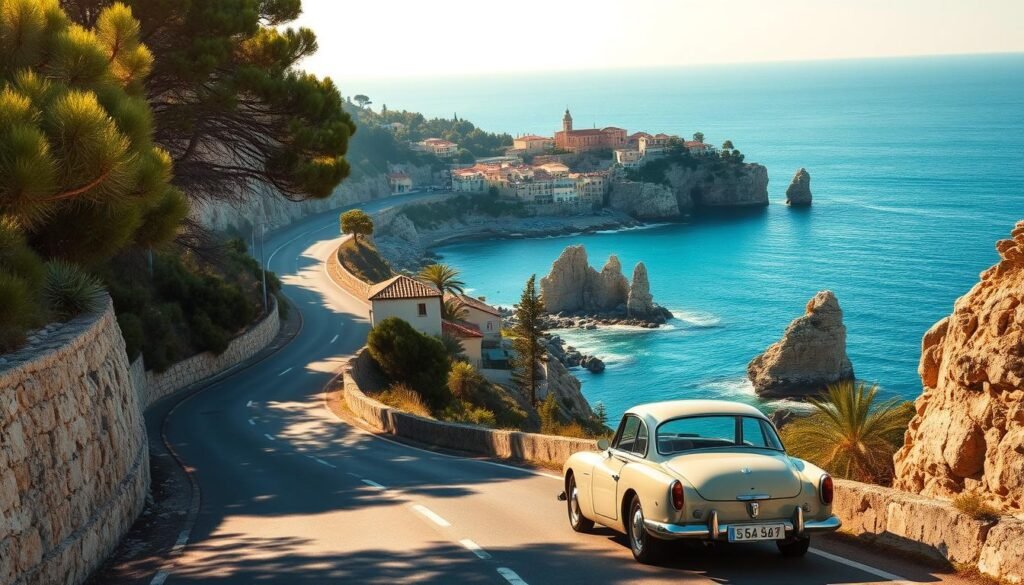
Coastal roads are some of the most memorable drives in Europe. They offer stunning sea views, historic harbors, and quaint villages. The best time for photos is when the light is soft, and the roads are less busy.
Routes along the Mediterranean and Atlantic
The Amalfi Coast is famous for its cliffside views around Positano. The French Riviera’s Corniche and Cap Ferrat show off polished harbors and elegant buildings near Nice. Croatia’s Dalmatian Coast links Dubrovnik with the Pelješac Peninsula and island ferries.
In Portugal, the Algarve boasts dramatic sea stacks at Ponta da Piedade. The Wild Atlantic Way in Ireland spans the Cliffs of Moher and Slieve League. Scotland’s west coast offers a wilder feel with lochs, sea lochs, and islands.
Scenic viewpoints, beaches, and coastal villages
Stop at Positano’s overlook for morning light. Hike parts of Sentiero degli Dei for breathtaking views. Cap Ferrat’s headland gives a classic Riviera view.
Visit Portofino and the Cinque Terre villages for colorful harbors and narrow lanes. In Portugal, Lagos has sandy coves and sea caves. Kinsale and Tobermory are great bases for exploring the Irish and Scottish coasts.
Driving tips for coastal roads and ferry connections
Narrow, winding roads need patient driving. Expect one-way sections, tight hairpins, and scooters or cyclists. Park in designated bays to avoid fines and respect ZTL zones in Italian towns.
Use apps like ViaMichelin for route planning and toll checks. For island travel, book ferries early in summer. Decide between vehicle ferries and passenger-only services based on your needs.
| Route | Highlight | Best time | Practical note |
|---|---|---|---|
| Amalfi Coast, Italy | Positano views, Sentiero degli Dei | May–June, Sep | Watch ZTL and tight parking in towns |
| French Riviera (Corniche) | Cap Ferrat, Nice promenade | Apr–Jun, Sep | High season traffic; park outside town centers |
| Dalmatian Coast, Croatia | Dubrovnik Old Town, Pelješac | May–Jun, Sep | Ferries to islands; book ahead in July–Aug |
| Algarve, Portugal | Ponta da Piedade, Lagos beaches | Apr–Jun, Sep | Some roads narrow; best driven outside midday |
| Wild Atlantic Way, Ireland | Cliffs of Moher, Kinsale | May–Sep | Prepare for single-track roads and sheep |
| West Coast, Scotland | Slieve League-like sea cliffs, Tobermory | May–Sep | Ferry links to islands; variable weather |
Iconic alpine and mountain routes
Alpine roads are some of the most memorable in Europe. They have high passes, steep turns, and views of glaciers and peaks. These routes are great for drivers who love dramatic landscapes and hiking.
High passes, panoramic viewpoints, and hiking access
Drive the Route des Grandes Alpes for classic French views. Try Col de l’Iseran for amazing panoramas. Grossglockner High Alpine Road offers stunning views of the Hohe Tauern range.
Stelvio Pass is famous for its hairpins and trails in Italy. Norway’s Trollstigen and Geirangerfjord offer fjord views and hiking. The Transfagarasan in Romania has dramatic switchbacks and trails into the Făgăraș Mountains.
Swiss passes like Furka and Grimsel lead to alpine walks and glacier views. They are near the Eiger and Mont Blanc.
Road conditions and seasonal closures
High alpine roads have narrow lanes and tight turns. Some parts have short guardrails. The roads can be rough, especially near remote passes.
Most high passes close from late autumn to spring. Check road authorities or ViaMichelin for updates. Winter tires or chains might be needed at high elevations.
Suggested itineraries for different trip lengths
Weekend escape: Choose nearby passes and stay in towns like Chamonix or Innsbruck. Drive, hike, and enjoy local food.
5–7 day circuit: Link passes across borders. A 7-day Alps loop goes Geneva → Chamonix → Col du Galibier → Briançon → Stelvio → Bolzano. This shows why these routes are top road trips in Europe.
Two-week epic: Mix passes with valley detours, lakes, and culture. Include Swiss passes, Grossglockner, and Dolomites. Plan fuel stops and a rest day for walks.
| Route | Highlight | Typical closure months | Recommended trip length |
|---|---|---|---|
| Route des Grandes Alpes / Col de l’Iseran | High French Alps panoramas, glacier views | Nov–May | Weekend to 3 days |
| Grossglockner High Alpine Road (Austria) | Hohe Tauern views, visitor centres, hiking access | Nov–Apr | 1–3 days |
| Stelvio Pass (Italy) | Iconic hairpins, mountain biking and trails | Oct–May | 1–2 days |
| Trollstigen & Geiranger approaches (Norway) | Fjord views, steep cliffs, linked hikes | Oct–May | 2–4 days |
| Transfagarasan (Romania) | Rocky switchbacks, Balea Lake, alpine trails | Nov–Jun | 1–2 days |
| Swiss passes: Furka, Grimsel, Susten | Glacier approaches, classic alpine scenery | Nov–Apr | 2–5 days |
Bring a basic emergency kit and check tire needs. Plan fuel stops for remote areas. These steps make driving safer and more fun for everyone.
Historic and cultural road trips through cities and towns
Start with routes that link living history and compact drives. The Loire Valley châteaux, Tuscany’s hill towns, and the Castles of Bavaria form circuits rich in architecture and stories. These drives let you explore europe by car while stopping at UNESCO highlights and photogenic old towns.
Plan stops around specific must-visit european destinations such as Mont-Saint-Michel, the Alhambra in Granada, the Historic Centre of Florence, and Prague’s old quarter. Keep visits timed to opening hours and book tickets for fast entry where possible. That saves driving time and avoids long queues.
Castles and fortified towns deserve separate days. Visit Neuschwanstein and Hohenschwangau near Füssen, Sintra’s palaces outside Lisbon, and Carcassonne in France. Short walking tours inside these sites often reveal details missed from the roadside.
Food anchors cultural travel. Taste Bordeaux and Tuscany wines at family vineyards. Try tapas in Seville and seafood in Galicia. Pause at Mercat de la Boqueria in Barcelona for fresh produce and local snacks. Those stops make an itinerary feel local and memorable.
Balance driving with walking and public transport to keep a relaxed pace. Use park-and-ride facilities at city edges and switch to trams or trains for historic centres. Short ferry legs work well for island detours that sit between larger drives.
Mix guided walks with self-guided wandering. A brief guided tour at a major site saves time and adds context. Free time on foot lets you enjoy side streets, cafes, and artisan shops that define each place.
When you plan, think of classic routes among iconic road trips in europe that pair easy drives with heavy cultural payoff. That way you can explore europe by car and still enjoy deep, walkable experiences in towns and cities.
Respect local customs and opening rhythms. Many museums and markets close mid-afternoon or on certain weekdays. Check festival dates and reservation needs to avoid disappointment. Small adjustments often yield the richest cultural encounters.
Off-the-beaten-path and lesser-known routes
Take quieter lanes to really see Europe. This section shows you places few people visit. You’ll see small villages, coastal spots, wild forests, and local festivals.
Hidden gems for slower, more intimate travel
The Beara Peninsula in western Ireland has stunning coastlines with no crowds. In Spain, the Picos de Europa has narrow paths, limestone peaks, and tiny villages. The Peloponnese coastal roads in Greece link quiet bays, Byzantine sites, and family-run tavernas.
Northern Norway’s Alta and Finnmark offer endless skies and Sami culture. The Baltic coastal roads in Estonia and Latvia have sandy shores and wooden towns with local artisans.
Wildlife, nature reserves, and rural landscapes
Cairngorms National Park in Scotland is home to red deer and capercaillie. Doñana National Park in Spain is great for birdwatching and marshland views. Sarek and Lofoten in Norway are perfect for seeing marine life and seabirds.
Białowieża Forest on the Poland–Belarus border has ancient woods and rare animals. When driving, bring binoculars and local maps for safe viewing.
Practical advice for remote driving and accommodations
Remote driving needs basic planning. Check fuel stations and garage hours. Carry extra water, snacks, and a first-aid kit. Save maps offline and note emergency numbers for each country.
Book small guesthouses early in high season. Agriturismo farms in Italy and casas rurales in Spain offer comfort and local food. Boutique campsites are great for summer, but services may be limited in low season.
Respect wildlife and landscapes. Follow Leave No Trace and keep distance from animals. Buy from local shops when you can. These actions help keep Europe’s hidden spots beautiful for others to enjoy.
| Region | Highlights | Best time to visit | Accommodation tip |
|---|---|---|---|
| Beara Peninsula, Ireland | Coastal views, quiet pubs, artisan shops | May–September | Family-run B&Bs and small inns |
| Picos de Europa, Spain | Limestone peaks, mountain villages, hiking | June–September | Casas rurales and rural guesthouses |
| Peloponnese coast, Greece | Secluded bays, Byzantine sites, tavernas | April–October | Seafront pensions and small hotels |
| Alta & Finnmark, Norway | Arctic landscapes, Sami culture, northern lights | June–August for daylight; winter for aurora | Simple cabins and boutique lodges |
| Baltic coasts, Estonia & Latvia | Wooden towns, sandy beaches, craft villages | May–September | Guesthouses and coastal campsites |
| Cairngorms & Doñana & Lofoten | Deer and birds, marshes, marine mammals | Spring to early autumn | Park lodges, rural hotels, campsites |
Family-friendly and accessible road trips
Family road trips are fun and easy. They have short drives and lots of stops. Places like North Yorkshire and the Lake District are great for families.
Stops and activities suitable for children
Interactive museums and aquariums are fun for kids. Outdoor parks and beaches with gentle water are safe. Short boat trips and wildlife cruises keep them busy.
Easy driving routes and accessible attractions
Choose routes with short drives and many stops. The Romantic Road has castles and theme parks. Many parks have ramps and accessible toilets.
Packing lists and safety considerations for families
Car seats and snacks are must-haves. Don’t forget sunscreen and a first-aid kit. For campervans, bring baby monitors and secure storage for medicines.
Practical travel and planning tips
Follow EU and UK child safety laws. Carry travel health cover and insurance. Dial 112 for emergencies. Rest often to avoid driver fatigue.
Quick checklist for parents
- Child car seats and portable boosters
- Snacks, water, and sun protection
- First-aid kit and essential medications
- Pre-booked tickets and family accommodation
- Emergency numbers and insurance documents
Plan family road trips with comfort and fun in mind. Choose routes that fit your family’s pace. Be ready for spontaneous stops.
Self-drive adventures Europe: campervans and car hire tips
Choosing how to explore europe by car starts with your trip style. A campervan or motorhome gives freedom and a bed on wheels. A hire car lets you duck into narrow city lanes and book hotels with ease. Think about towns on your route, parking limits, and how much time you will spend off-grid.
Choosing between campervans, motorhomes, and hire cars
Campervans and motorhomes suit slow, scenic travel. You save on accommodation and can wake to views in Norway or rural France. Larger motorhomes need wide roads and campsites with big pitches. Hire cars from brands like Avis, Europcar, and Sixt work well for city-focused trips and tight Alpine passes. Indie Campers, McRent, and Campervan North offer flexible fleet options for campervan trips.
Size matters. Pick a compact campervan if you plan to visit historic centres or narrow coastal lanes. Choose automatic transmission if you prefer easier hill starts, especially for drivers used to autos in the UK. Fuel economy and parking restrictions influence daily costs and where you can stop overnight.
Insurance, documentation, and cross-border rules
Always carry a valid driving licence, passport, and the rental agreement or V5 document. For non-EU travel you may need a green card and temporary import paperwork. Check breakdown cover options such as RAC or AA for UK travellers and consider an excess waiver to reduce financial risk.
Toll and vignette systems apply in Austria, Switzerland, Czechia, and other countries. Plan for low-emission zones in cities like Paris and Rome and verify whether your rental has the right permits. Notify your hire company if you plan to cross borders; some contracts limit travel to specific countries.
Overnight parking, campsites, and wild camping guidance
Use apps such as Park4Night, Campercontact, and Eurocampings to find certified sites and legal parking. Municipal campsites are budget-friendly and often close to towns. Private sites offer extra facilities and power hook-ups.
Wild camping rules vary. Norway and parts of Scotland tolerate wild camping with restrictions on duration and behaviour. Many countries forbid overnight parking outside designated sites. Always check local law and respect private land and quiet hours.
Practical tips for campervan life
Manage water and waste by refilling at certified points and emptying grey tanks at disposal sites. Carry a solar panel or adaptors for campsite hook-ups to keep batteries charged. Secure valuables out of sight, lock doors, and choose well-lit sites when stopping in towns.
Plan simple routines for cooking, showering, and rubbish disposal to keep the vehicle tidy. Follow campsite rules and local guidelines to preserve access for other travellers on future self-drive adventures europe.
Planning your trip: the ultimate European road trip guide
Start with a clear vision. Pick two or three must-see places like Rome, Girona, or the Swiss Jungfrau region. Put those on a map and plan to drive two to four hours a day. This makes the trip relaxed and leaves room for surprise stops.
How to build an itinerary from top road trip routes Europe
Use tools like Google My Maps or Roadtrippers to link your stops. Make one main route and a backup for bad weather. Rest days are good after long drives.
Try a seven-day coastal loop or a 10–14 day trip across countries. You can also plan a month-long trip. Mix ferry rides with short train trips when roads are slow.
Budgeting, accommodation booking, and time management
Figure out fuel costs by checking prices. Count tolls, ferry fees, parking, food, and attraction costs. Some places, like France and Italy, have a lot of tolls. Look for toll-free ways when you can.
Save money by cooking in a campervan and booking early. Use city tourist cards for museums and transport. Mix hotels, B&Bs, agriturismos, and campsites to fit your budget and needs.
Visit popular spots on weekdays to avoid crowds. Don’t pack too much into each day. A loose schedule lets you explore and find new things.
Packing essentials and tech for navigation and safety
Bring reliable navigation tools like Google Maps and Waze. Use an offline map app too. Carry a dedicated GPS for remote routes. Don’t forget chargers, power banks, and a UK to EU plug adapter.
Keep a first-aid kit, safety vests, and warning triangles in your car. Many places require these by law. Also, have spare-tire tools, a tyre inflator, and basic repair kit for safety.
| Category | Essentials | Reason |
|---|---|---|
| Navigation | Google Maps, Waze, offline maps, dedicated GPS | Accurate routing, offline backup in remote areas |
| Safety & Legal | Reflective vests, warning triangle, vehicle paperwork, insurance | Legal compliance and incident readiness across borders |
| Tools & Repair | Spare tire kit, tyre inflator, jump leads, basic tools | Handle common roadside issues without long delays |
| Comfort & Savings | Camping stove, cooler, reusable utensils, city tourist cards | Cut food costs and enjoy flexible meal options |
| Booking Platforms | Booking.com, Airbnb, Pitchup, Eurocampings | Wide choice of hotels, B&Bs, campsites, and last-minute options |
| Timeline Examples | 7-day coastal loop; 10–14 day multi-country; month-long regional mix | Choices fit different trip lengths and travel goals |
Use this guide as a checklist for your trip. Make it your own by updating it as plans change. Keep a list of the best road trips in Europe for future adventures.
Conclusion
This guide shows the best road trips in Europe. You can drive along sunny coasts or through high mountains. Or, you might want to see cities or quiet places.
Planning is key for a good trip. Check the roads and weather. Make sure you have the right documents and insurance.
For UK drivers, start with our itineraries. Use AA or RAC for advice on driving abroad. Don’t forget travel insurance and healthcare cover.
Always follow local rules and protect nature. With good planning, your trip will be amazing.