

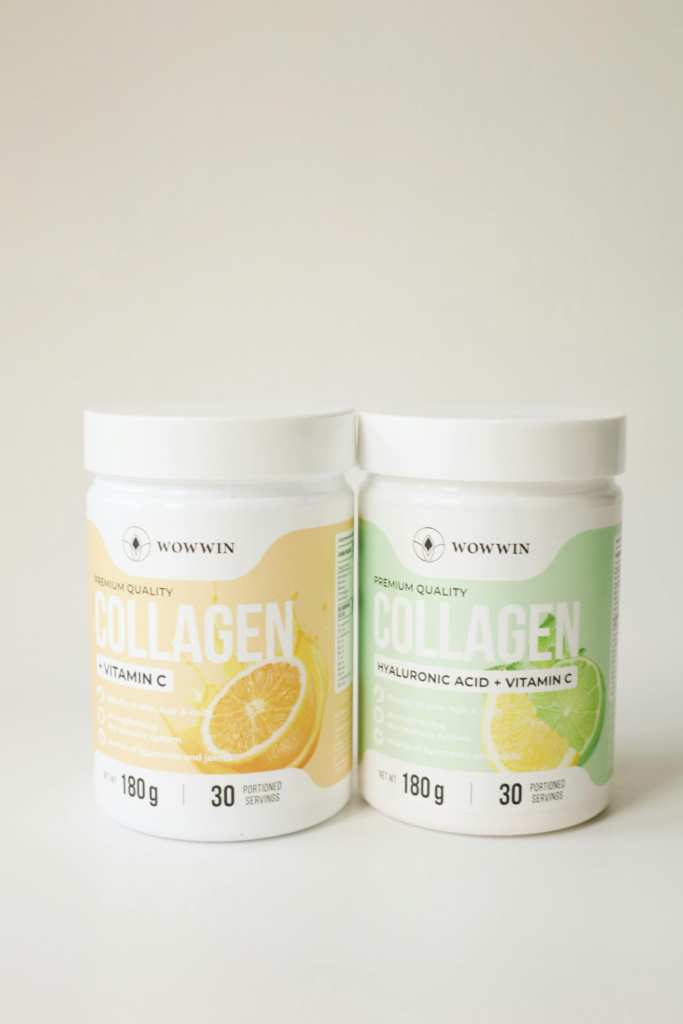
Do collagen supplements really improve joint health and skin elasticity? Learn the science, benefits, and what to look for before buying.
Collagen Is Everywhere — But Does It Actually Work?
From skincare to smoothies, collagen supplements have become a wellness must-have. Promising to improve joint pain, skin aging, gut health, and even hair growth, they’re marketed as a fix-all for anyone looking to stay healthy and youthful.
But what’s fact and what’s hype?
If you’re wondering, “Do I actually need collagen — and will it make a real difference?”
This guide breaks it down, so you can invest wisely.
What Is Collagen, and Why Do We Lose It?
Collagen is the most abundant protein in your body, making up about 30% of your total protein.
It acts like a “glue” that holds your body together — supporting:
- Skin elasticity
- Joint cushioning
- Bone strength
- Hair and nails
- Tendons and ligaments
- Gut lining integrity
So what’s the problem?
As early as your mid-20s, collagen production naturally declines by about 1% per year.
This accelerates with:
- Aging
- Sun exposure
- Smoking
- Stress
- Poor diet
That’s when we start to see wrinkles, joint pain, thinning hair, and brittle nails.
What Do Collagen Supplements Actually Do?
Most collagen supplements come in powder, capsule, or liquid form and are made from bovine (cow), marine (fish), or chicken sources.
They are usually “hydrolyzed” into peptides, which helps your body absorb and use them more efficiently.
✅ Key benefits (backed by science):
1. Improves Skin Elasticity & Hydration
Clinical trials show that daily collagen supplementation can improve skin firmness, smoothness, and hydration — particularly in women over 35.
Results are usually seen within 8–12 weeks of consistent use.
2. Reduces Joint Pain & Supports Mobility
Several studies on athletes and older adults have shown that collagen supplements can reduce joint pain, stiffness, and inflammation, especially in the knees and hips.
3. Strengthens Hair & Nails
Collagen provides key amino acids (glycine, proline, hydroxyproline) that help fortify hair follicles and support nail growth.
4. Supports Gut & Bone Health (Emerging Evidence)
Early research suggests that collagen may help seal the gut lining (useful for leaky gut concerns) and improve bone density over time, especially when paired with calcium and vitamin D.
Do All Collagen Supplements Work the Same?
No — and here’s where a lot of people waste money.
What to look for in a high-quality collagen supplement:
| Feature | Why It Matters |
|---|---|
| Hydrolyzed (or collagen peptides) | Better absorption |
| Type I & III collagen | Best for skin, hair, nails |
| Type II collagen | Best for joint & cartilage support |
| Added Vitamin C | Boosts collagen synthesis |
| Third-party tested | Ensures purity & quality |
| No fillers or sugars | Cleaner ingredients |
💡 Marine collagen is best for beauty benefits. Bovine is best for general health. Type II (often from chicken sternum) is ideal for joints.
How Long Does It Take to See Results?
- Skin & hydration: 8–12 weeks
- Joint pain relief: 12–24 weeks
- Hair & nails: 2–3 months
- Gut & bone health: Up to 6 months
Consistency is key — collagen is not a quick fix. Think of it like saving money in a long-term account. Results build gradually.
Who Should Consider Collagen Supplements?
Collagen is especially helpful for:
✅ Adults over 30 experiencing joint aches or early skin aging
✅ Active individuals with wear-and-tear on joints
✅ Busy moms or professionals looking for low-effort, daily wellness support
✅ Anyone recovering from injury or surgery
✅ Those on low-protein diets or avoiding collagen-rich foods (bone broth, organ meats)
Are There Any Side Effects?
Collagen is generally well-tolerated. Some people report:
- Mild bloating or digestive upset (usually temporary)
- Fish or beef aftertaste (depending on the source)
- Allergic reaction (rare – read labels carefully if you have food allergies)
To reduce side effects, start with a half serving, and choose hydrolyzed peptides for easier digestion.
Should You Take Collagen Forever?
You can — and probably should, if you’re over 30 or have joint/skin concerns.
While it’s not required for life, collagen works best when used consistently, much like a supplement for bone health or omega-3s for inflammation.
Think of it as long-term maintenance, not a 30-day beauty challenge.
Final Verdict: Is Collagen Worth It?
Yes — if you choose a high-quality formula and give it time to work.
Collagen supplements aren’t magic, but they’re one of the few beauty and joint support products with actual science behind them.
For busy women, new fitness beginners, or anyone wanting to move better and age more gracefully, collagen is a smart, low-effort addition to your routine.
Simple Ways to Add Collagen Into Your Routine:
- Mix into morning coffee, smoothies, or oatmeal
- Choose a flavored version for a protein drink
- Take capsules on-the-go
- Use a collagen creamer as part of your busy-morning routine
- Combine with vitamin C-rich foods (or supplements) for best absorption
Have you tried collagen before? Share your results or questions in the comments — and don’t forget to consult your healthcare provider before starting a new supplement.


