


Confused between strength training and cardio? Learn the key differences, benefits, and which one supports your fitness goals — from fat loss to energy.
Which Workout Is Right for You — and Why It Depends on More Than You Think
If you’re just starting your fitness journey, one question comes up a lot:
“Should I do cardio or strength training first — or focus on one over the other?”
The short answer? It depends on your goals, your lifestyle, and how your body responds to movement.
The long answer — the one that empowers you to build the right plan — is what this guide is all about.
Let’s break down the differences, benefits, and use cases for cardio and strength training so you can stop guessing and start getting results.
What Is Cardio — and What Does It Actually Do?
Cardiovascular exercise (or “cardio”) involves activities that increase your heart rate and breathing for an extended period.

Common forms of cardio:
- Walking
- Running or jogging
- Cycling
- Dancing
- Swimming
- Jump rope
- High-intensity interval training (HIIT)
✅ Benefits of cardio:
- Burns calories quickly (especially during the workout)
- Improves heart and lung health
- Boosts endurance and stamina
- Reduces stress and supports better sleep
- Can improve mood through endorphin release
💡 Best for: weight loss kickstarts, heart health, and building consistency in movement
What Is Strength Training — and Why It’s Crucial for Long-Term Health
Strength training (also called resistance or weight training) uses resistance to build muscle, improve bone density, and increase functional strength.
Contrary to popular belief, strength training isn’t just for bodybuilders — it’s essential for anyone who wants to age well, stay lean, and feel strong.
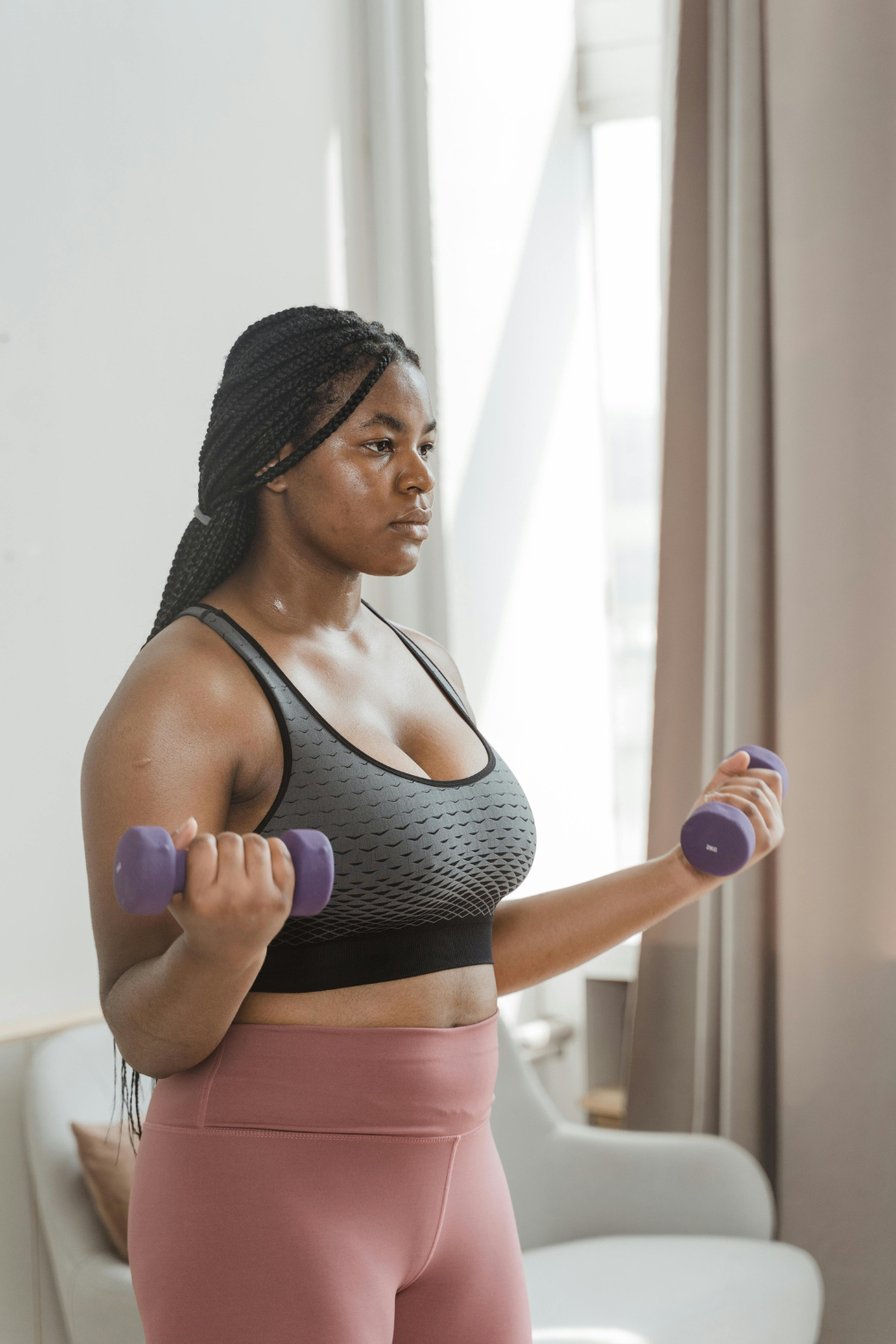
Common types of strength training:
- Bodyweight exercises (e.g. squats, push-ups)
- Resistance bands
- Dumbbells or kettlebells
- Weight machines
- Barbell training
✅ Benefits of strength training:
- Builds lean muscle (which increases metabolism at rest)
- Strengthens bones and joints
- Supports better posture and injury prevention
- Reduces fat more effectively over time
- Improves insulin sensitivity and hormone balance
💡 Best for: long-term fat loss, functional strength, body composition change
Cardio vs. Strength: Which Burns More Fat?
If your primary goal is fat loss, here’s how the two compare:
| Category | Cardio | Strength Training |
|---|---|---|
| Calories burned during workout | Higher | Moderate |
| Calories burned after workout | Low | Higher (EPOC effect) |
| Muscle gain | Minimal | Significant |
| Metabolic boost | Temporary | Long-lasting |
| Long-term fat loss | Moderate | High |
The takeaway? Strength training builds the engine, and cardio fuels the burn.
For sustainable fat loss, a combination of both is ideal, but strength training has the edge for body recomposition.
So… Which One Should You Focus On?
If your goal is weight loss:
- Prioritize strength training 3x/week, add cardio 2–3x/week (walking, HIIT, or cycling)
If your goal is stress relief or energy:
- Focus on moderate cardio (brisk walking, dance, or yoga flow)
- Add light strength training to boost mood and stamina
If your goal is to tone and shape your body:
- Strength training should be your main focus
- Cardio 1–2x/week as a supplement (not the foundation)
💡 You don’t have to choose one or the other. You can balance both — even in a busy week.
How to Build a Balanced Weekly Plan (Sample)
Here’s an example of a time-efficient weekly workout split:
| Day | Workout Type |
|---|---|
| Monday | 30-min Full Body Strength |
| Tuesday | 20-min Cardio (Walk, Dance, HIIT) |
| Wednesday | Rest or Yoga / Stretch |
| Thursday | 30-min Strength (Upper/Lower Split) |
| Friday | 20–30 min Cardio |
| Saturday | Optional Core + Light Walk |
| Sunday | Rest or Mobility Work |
💡 You can compress this plan into 3–4 days if needed — just alternate cardio and strength.
Still Not Sure Where to Start? Here’s What to Do
If you’re completely new to fitness or returning after a break:
- Start with 2 days of strength + 1–2 light cardio sessions
- Keep each session short (20–30 minutes is enough to start)
- Track how you feel — notice energy, mood, sleep, and strength changes
- Adjust your ratio over time based on your progress and lifestyle
You don’t need perfection — you just need consistency.
You Don’t Have to Choose One Forever
Both strength training and cardio are valuable tools — but they serve different purposes. Understanding how they work allows you to use them strategically, not randomly.
So don’t get stuck in an “either-or” mindset.
💡 Start with your goal, choose a blend that fits your schedule, and keep showing up.
You can always adjust later. What matters most is that you’re moving, building confidence, and supporting your health — your way.
Got questions about combining cardio and strength? Drop them in the comments — or share what’s worked for you!