

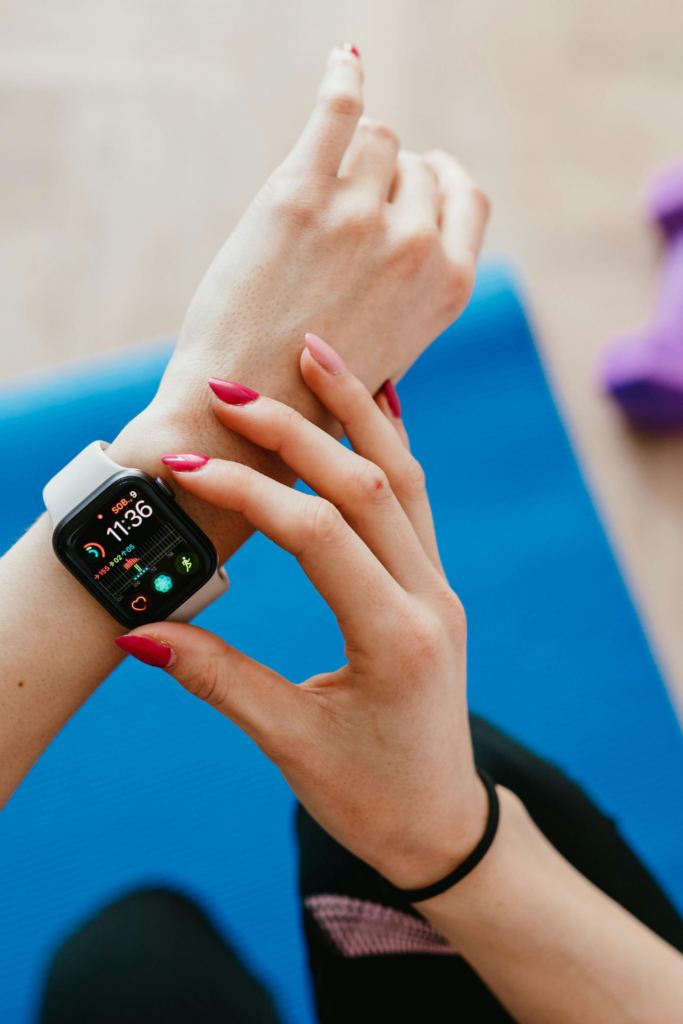
Are fitness trackers worth it? This deep dive explores how they work, what they measure, and whether they truly improve your health and fitness goals.
Fitness Tracker Hype — Is It Backed by Results?
Fitness trackers are everywhere — on wrists, in pockets, and even built into smart rings. Whether you’re a beginner trying to move more, a busy professional aiming to optimize your time, or a parent hoping to reclaim your health, these devices promise to motivate, measure, and move you toward results.
But here’s the real question:
Do fitness trackers actually help you get fitter — or are they just expensive step counters?
This guide breaks it all down, from how they work to whether they really impact long-term health and fitness.
What Are Fitness Trackers, Really?
Fitness trackers are wearable devices that monitor physical activity, heart rate, sleep, and more. They can look like watches, rings, clips, or even earbuds.
Common features:
- Step count
- Calories burned
- Active minutes
- Heart rate
- Sleep tracking
- Stress or recovery scores
- GPS (on select models)
- Workout-specific modes (running, strength, cycling, etc.)
💡 Some models sync with apps to track nutrition, menstrual cycles, and mindfulness too.
What Fitness Trackers Do Well (Backed by Research)
✅ 1. Increase Awareness & Accountability
Studies show that people wearing fitness trackers walk 1,800 more steps per day on average. Even simple metrics like a daily step goal can nudge users to move more.
📈 Behavior change often starts with awareness. A tracker keeps you conscious of your activity (or lack of it).
✅ 2. Encourage Movement in Busy Schedules
For moms, office workers, or those glued to screens, smart nudges like “Time to move!” can combat sedentary habits.
✅ 3. Improve Workout Consistency
Trackers with workout reminders, progress graphs, and milestones help users stay consistent. Some even include built-in guided workouts or challenges to gamify progress.
✅ 4. Track Sleep Quality & Recovery
Many wearables now monitor sleep stages and offer readiness or recovery scores based on how well your body is recovering from stress or workouts.
This is especially helpful if you’re balancing fitness goals with a hectic lifestyle — recovery matters as much as training.
What Fitness Trackers Can’t Do (And Why That Matters)
1. They Can’t Interpret Your Health for You
Fitness trackers collect data — but they don’t explain what to do with it. For example, a low sleep score might prompt a question, but not a solution.
💡 Think of your tracker like a thermometer. It tells you the temperature, but not how to dress.
2. They’re Not Always Accurate
- Step counts may vary by thousands depending on wrist movement.
- Calorie burn estimates can be off by 20–30%.
- Heart rate is usually reliable at rest, but less so during intense workouts.
That said, the goal isn’t perfect data — it’s consistent tracking that reveals trends.
3. They Can Create Obsession or Burnout
Some users report anxiety, guilt, or overtraining from obsessively hitting targets. Fitness should be empowering, not stressful.
If you find yourself checking your app more than enjoying your walk, it’s time to step back.
Who Benefits Most From Fitness Trackers?
Fitness trackers are most effective for people who:
- Are new to fitness and need external motivation
- Have sedentary jobs and need movement reminders
- Want to build consistency around steps, heart health, or sleep
- Enjoy visual progress and goal-tracking
- Like data-driven decisions and habit stacking
💡 They’re less effective if you’re already highly active and intuitive about your recovery.
How to Use Your Fitness Tracker Effectively
To get the most out of your device:
- Set realistic goals — steps, active minutes, sleep time
- Use the data to reflect, not obsess (look for trends, not single numbers)
- Pair it with good habits — don’t rely on the device to “do the work”
- Turn off unhelpful notifications to reduce noise or stress
- Track what matters to you, not everything — e.g., sleep & steps > every single metric
Are They Worth the Money?
A quality fitness tracker can cost anywhere from $30 to $300+, depending on the features.
✔️ Worth it if:
- You want help building habits and accountability
- You need daily movement reminders
- You like tracking your sleep or recovery
- You enjoy setting and seeing progress on measurable goals
❌ Not worth it if:
- You already exercise consistently
- You’re easily stressed by numbers
- You just want something to tell you what workout to do — a fitness app or coach may be better
Final Verdict: Do Fitness Trackers Really Work?
Yes — but only if you use them intentionally.
Fitness trackers work best as a tool for awareness and accountability, not as a solution in themselves. They help you see patterns, set goals, and stay consistent — which are all key parts of progress.
💡 If you’re starting your health journey, or need help staying on track, a fitness tracker can be an incredibly helpful partner — not a magic fix, but a useful guide.
What’s been your experience with fitness trackers? Do you love yours — or feel like you’re just wearing a fancy watch? Let us know in the comments.